

DEMING — The Bureau of Land Management is accepting public comment through March 2 on a supplemental environmental review related to a proposed magnesium processing facility at the Peru Mill Industrial Park. The review has drawn interest from local environmental advocates and renewed attention to water quality in the Mimbres Basin.
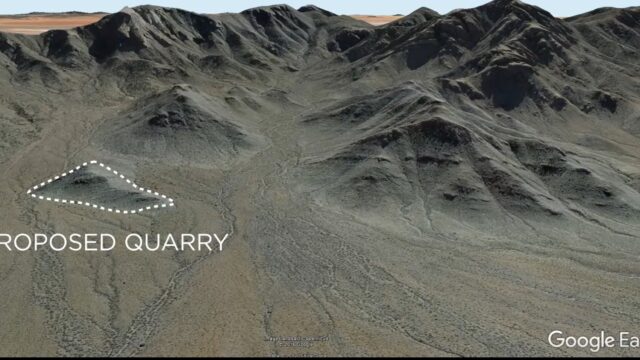
The Supplemental Environmental Assessment, released in January 2026, evaluates potential water quality impacts associated with a conceptual smelter facility connected to the American Magnesium Foothill Dolomite Mine. The mine was approved by the BLM in 2020. According to the agency, the additional analysis was prepared following federal court proceedings requiring further review of potential impacts tied to a processing facility, though the mine approval itself remained in place.
The assessment states that the proposed smelter would generate an estimated 2,300 tons of waste material per year in the form of magnesium processing byproducts. The material would be stored on private land within the industrial park using engineered containment measures, including a synthetic liner system. Over the projected life of the facility, the total volume of stored material is estimated at about 2.8 million cubic feet.
Following its analysis, the BLM issued a Finding of No Significant Impact, determining that the proposed waste‑handling methods would not result in significant environmental effects under the National Environmental Policy Act and that a full Environmental Impact Statement is not required.
Friends of the Floridas, an environmental advocacy group, has encouraged residents to participate in the comment process. In a public notice, the group cited concerns about long‑term groundwater risks in the Mimbres Basin aquifer, which supplies water to Deming and nearby communities. The group pointed to the volume of waste material and the proximity of storage areas to regional groundwater resources as factors warranting public review.
The BLM notes in its documents that the processing facility evaluated in the supplemental assessment would be located on private land and that the agency’s review is limited to potential impacts under federal environmental law. The agency states that proposed design features and regulatory oversight are intended to reduce the likelihood of contamination.
Project materials — including the supplemental assessment, the Finding of No Significant Impact and the public comment form — are available through the BLM’s online ePlanning system. Comments submitted by March 2 will be included in the administrative record before a final decision is issued.
Under federal law, the project would still require additional state and local permits and oversight separate from the BLM’s environmental review.
